Flow measurement is evolving fast. As industries demand higher accuracy, better reliability, and lower maintenance, new technologies are stepping up. Among them, ultrasonic flow meters are gaining attention for their non-invasive design and versatility. Unlike traditional flow meters that require cutting into pipes or direct contact with the fluid, ultrasonic meters use sound waves to measure flow rate. This makes them ideal for applications where contamination or wear is a concern .
Traditional solutions like differential pressure, magnetic, and vortex flow meters have long been trusted across industries. But they often come with limitations—moving parts that wear out, sensitivity to fluid properties, or the need for straight pipe runs. Coriolis flow meters stand out by measuring mass flow directly, offering high accuracy regardless of fluid changes . For precise control, many turn to advanced devices like the coriolis mass flow controller, which combines accuracy with real-time feedback.
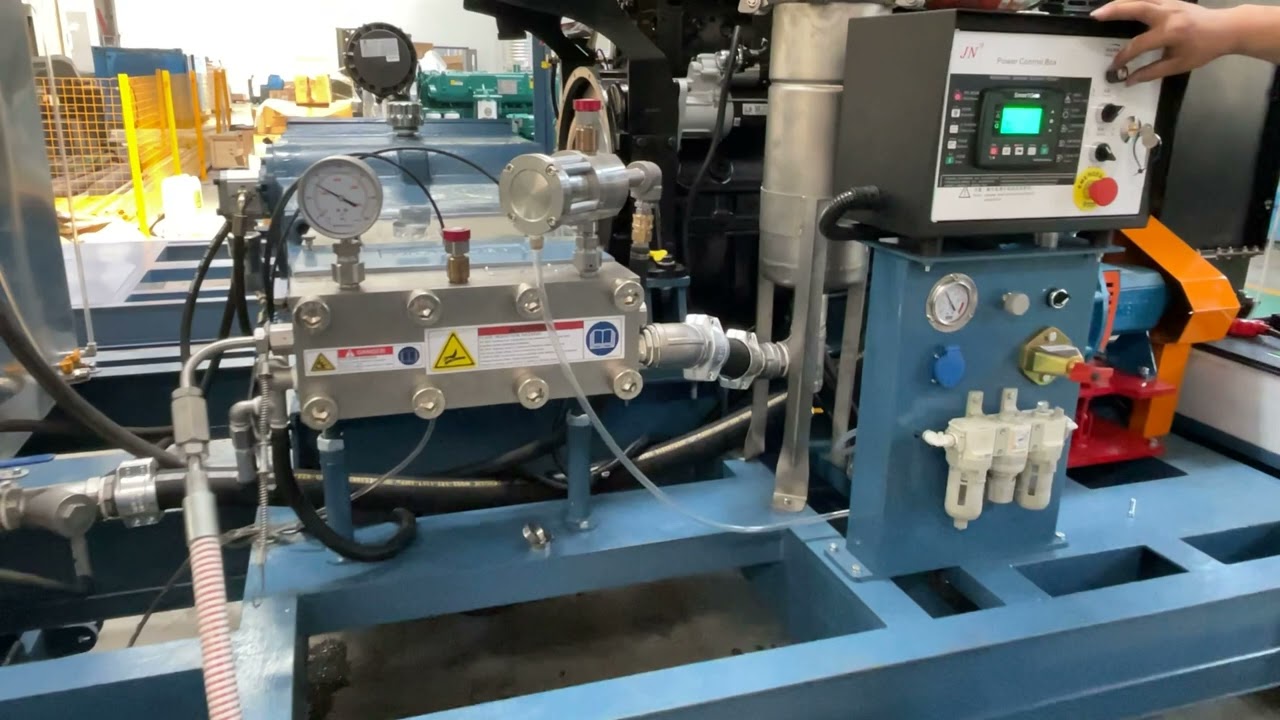
Ultrasonic flow meters, on the other hand, are installed externally, reducing installation time and avoiding process shutdowns. They work well with both liquids and gases, making them flexible across sectors like water treatment, oil & gas, and chemical processing . However, their performance can be affected by pipe conditions such as rust, corrosion, or insulation thickness. External noise and the need for long straight pipe sections also limit their use in tight spaces.
In contrast, dedicated controllers like the flow meter controllers offer precision in low-flow applications, especially in semiconductor or laboratory environments. These systems ensure stable delivery and accurate dosing, where even small deviations matter. Similarly, for gaseous systems, a reliable gas mass flow controller is essential for processes like combustion control or gas mixing.
When it comes to harsh environments—like those involving heavy fuels—robustness becomes key. That's where specialized tools like the fuel oil flow meter shine. These meters handle viscous, dirty fluids that could clog or damage less durable systems. While ultrasonic meters offer convenience, they may struggle with such complex fluid conditions due to signal interference.
Looking ahead, the future of flow measurement lies in combining strengths. Ultrasonic technology will continue improving, especially with better signal processing and clamp-on designs. But traditional solutions, particularly Coriolis and specialized controllers, remain unmatched in accuracy and reliability under variable conditions . The right choice depends on the industry, fluid type, and required precision.
Comments
Post a Comment